First Steps After Storm Damage
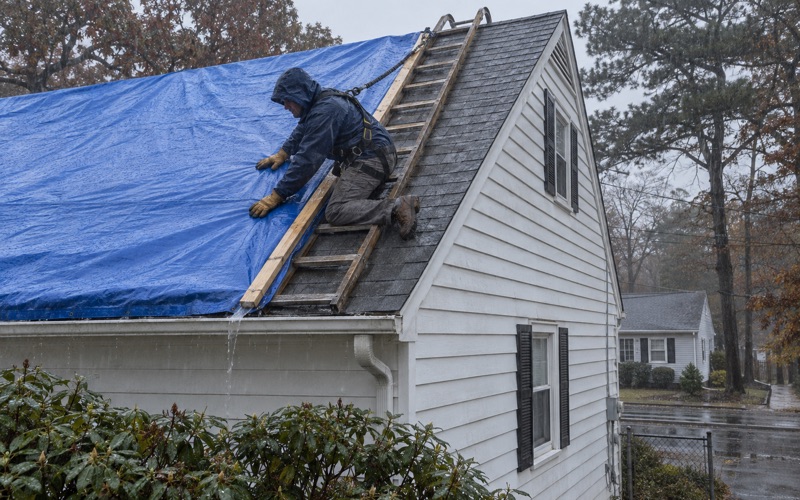
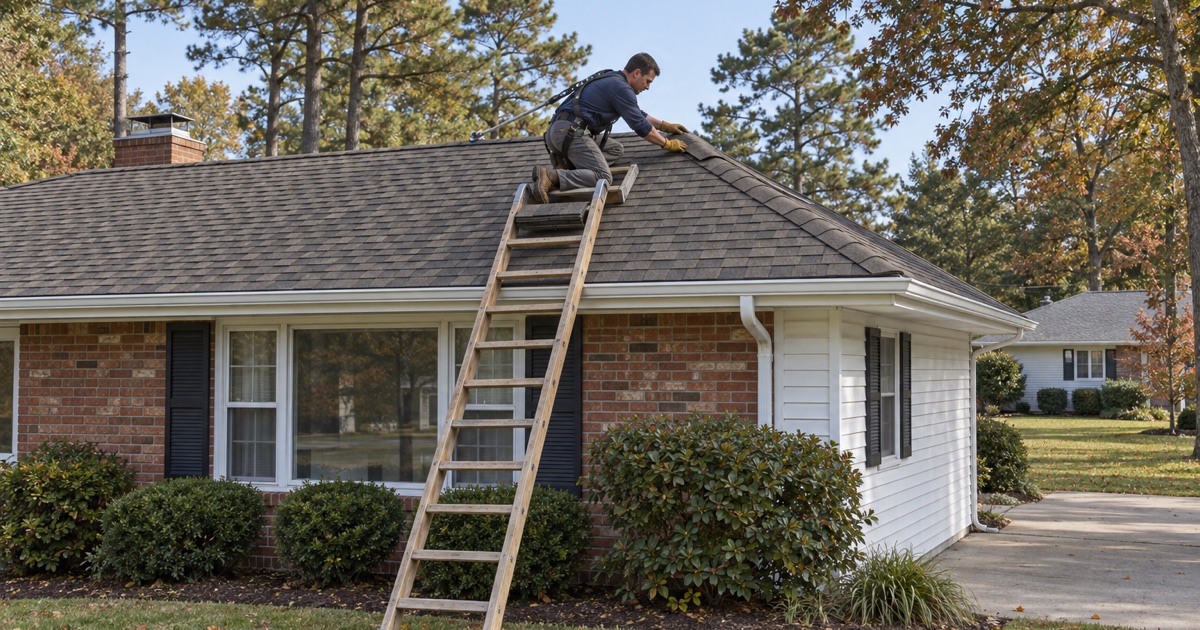
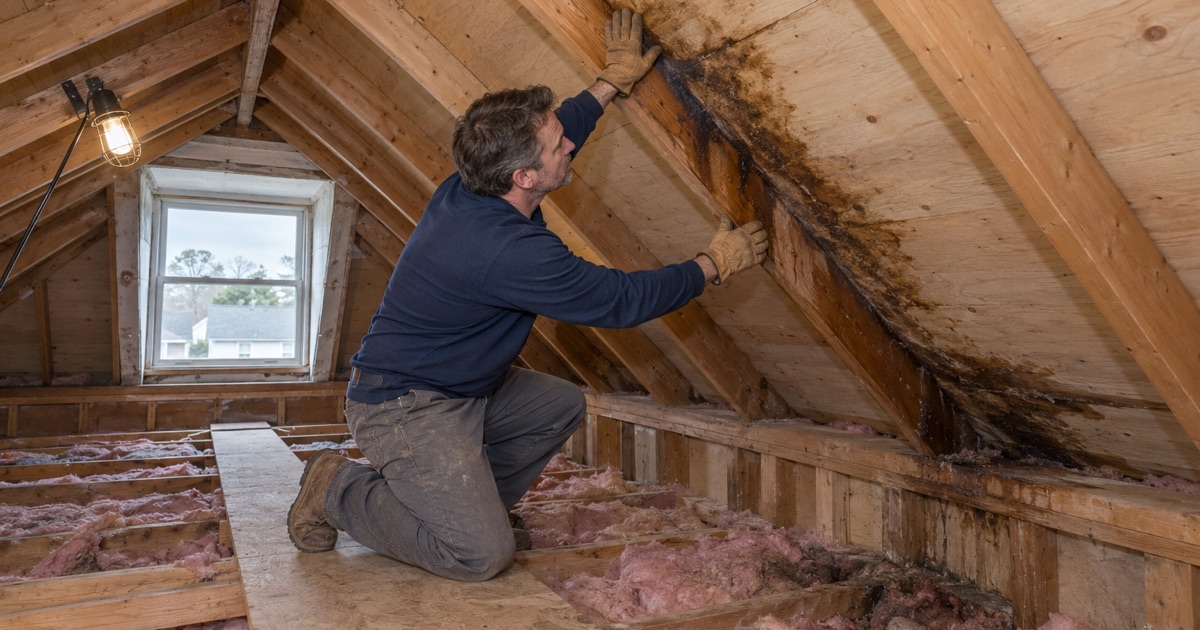
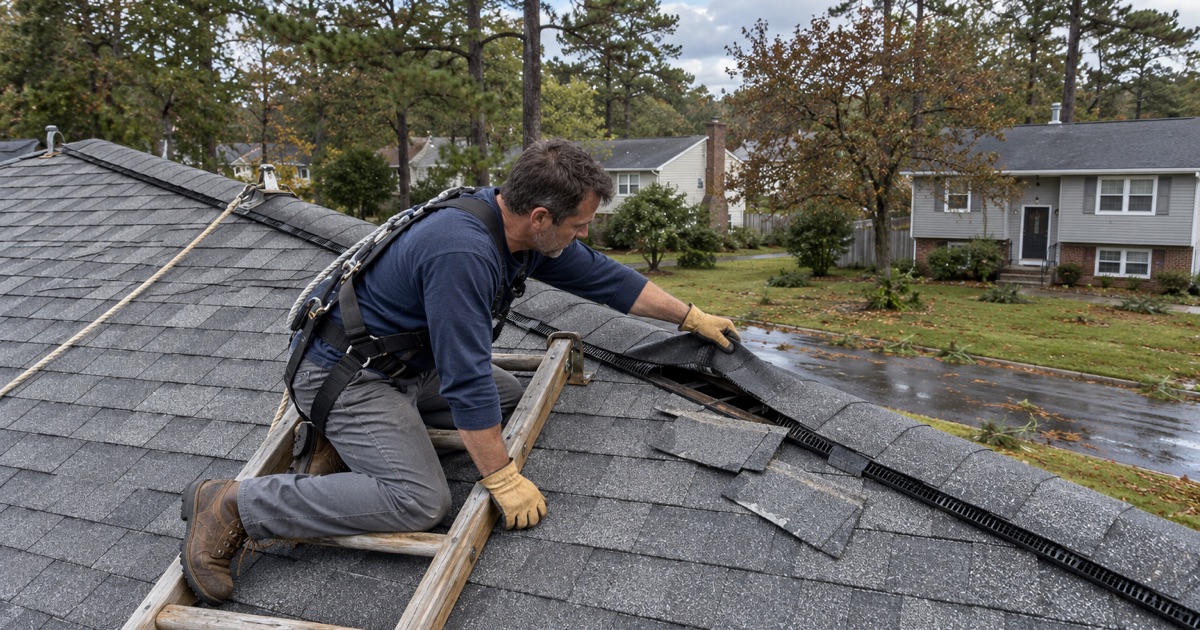
Start with photos of every damaged area, inside and out, before anything is moved. Make only the temporary repairs needed to stop further damage, and keep every receipt. We document storm damage with dated photos and a written description you can submit with your own claim.
A Tree or Large Limb on the Roof
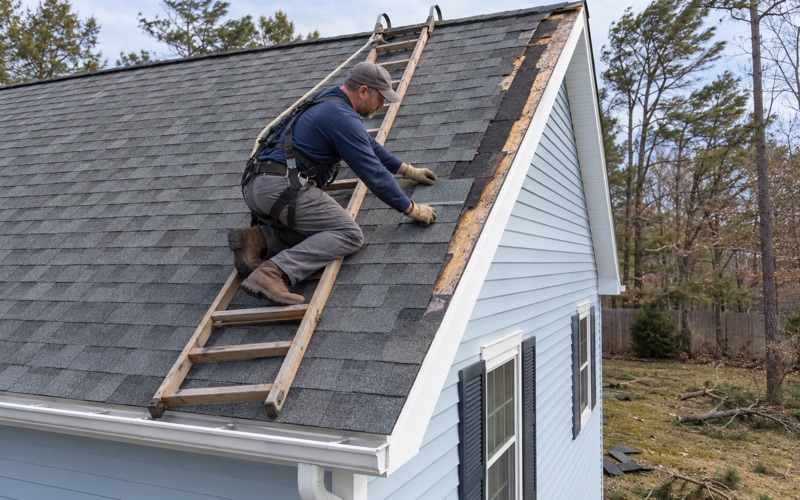
Get everyone out of rooms under the impact point and stay away from any downed wires. Call the utility if lines are involved, then your insurer. Once the area is safe, we can tarp the opening and assess the framing, working alongside a tree crew when the limb itself has to be removed.
How a Homeowners Roof Claim Works in New Jersey
You report the loss to your insurer, an adjuster inspects, and the company decides what the policy covers. The New Jersey Department of Banking and Insurance publishes storm claim guidance for homeowners. We supply photos and a written damage report, and we will meet the adjuster on site when you ask us to.
Wear and Tear Versus Storm Damage
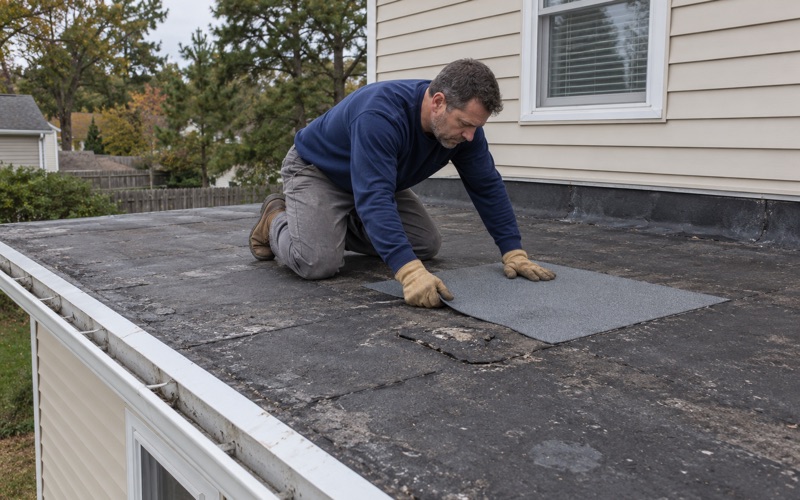
Policies generally cover sudden damage such as wind-torn shingles or a fallen tree, and they generally exclude gradual aging, worn granules and poor installation. Claims are often denied because the damage looks old. Clear photos taken right after the event help show which is which.
When the Hurricane Deductible Applies
New Jersey lets insurers apply a separate hurricane deductible, which the state has described as typically two to five percent of insured value. Under DOBI Bulletin 11-16 it applies only to a hurricane named by the National Weather Service with sustained winds of 74 mph or more measured in New Jersey. Sandy did not qualify.
Public Adjusters and Who Can Negotiate Your Claim
In New Jersey, only a licensed public adjuster may negotiate an insurance claim for a homeowner, under the Public Adjusters’ Licensing Act, N.J.S.A. 17:22B. A roofer who promises to handle your claim is offering something the law does not allow. We document damage and meet adjusters, and leave negotiation to you or your adjuster.
Sales Tax on a New Roof Versus a Repair
The New Jersey Division of Taxation treats a new roof and new gutters as exempt capital improvements, while repairing a leaky roof or gutters is taxable. For a full replacement, the homeowner signs Form ST-8, the Certificate of Exempt Capital Improvement, and the contractor keeps it on file.
What a Roof Replacement Costs and What Moves the Price
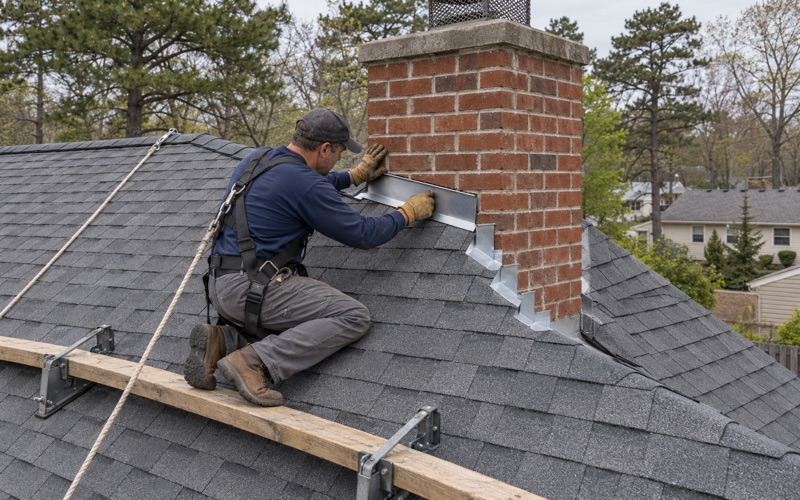
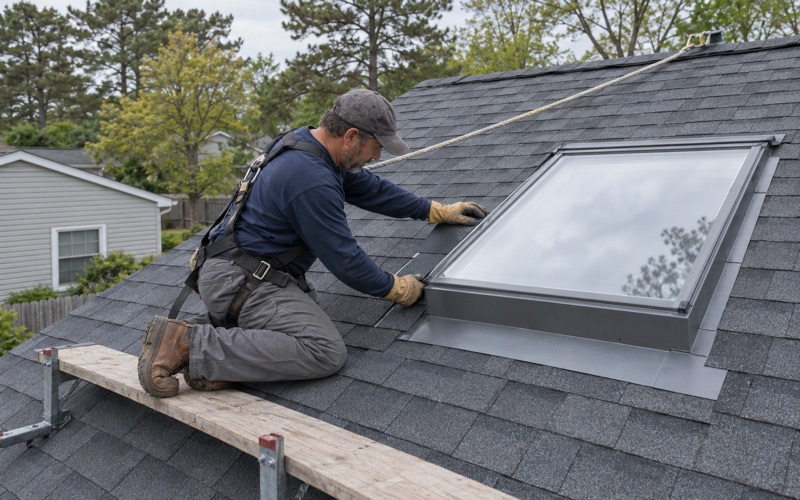
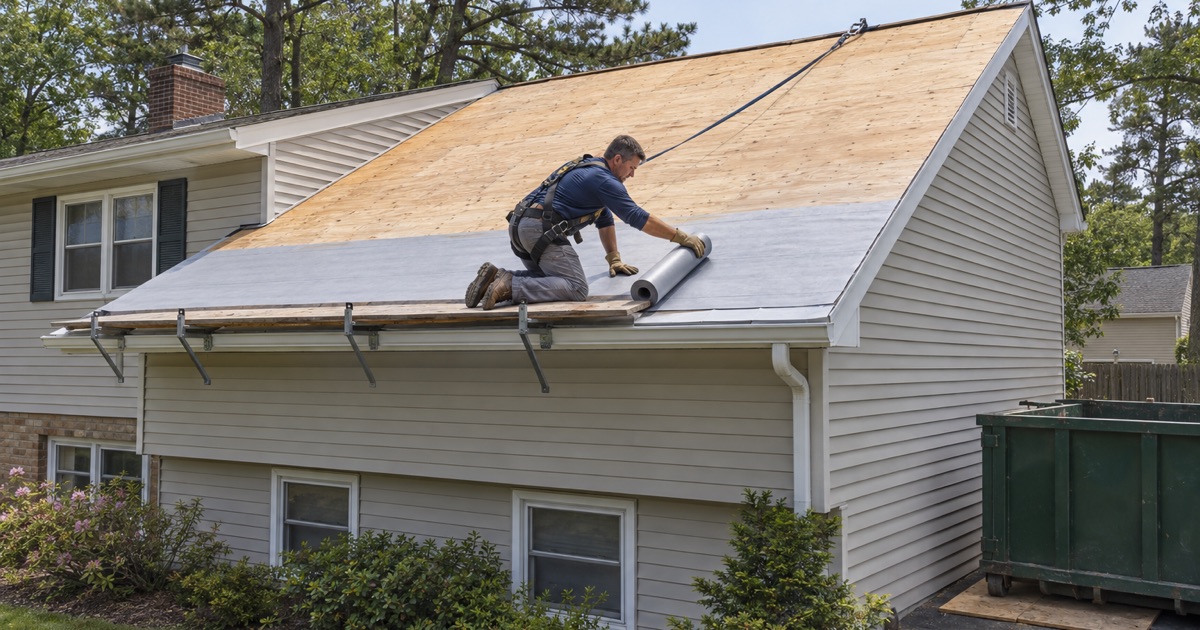
Roof size and pitch set the baseline. Layers to remove, decking replacement, chimneys, skylights, valleys, height and material choice move the number from there. We measure the roof and price each of those items on its own line, so you can see what drives your total and where you could adjust it.
Insurance and a 20-Year-Old Roof
Some insurers limit or change coverage on older roofs, and policy language varies from company to company. Age alone does not decide whether storm damage is covered, but it affects how the adjuster weighs wear against new damage. Read your policy’s roof terms, and ask your agent before a storm rather than after.
The 25 Percent Rule Belongs to Florida
You may hear that replacing more than 25 percent of a roof forces a full replacement. That rule comes from the Florida Building Code, Existing Building section 706.1.1. New Jersey has no such requirement, and a repair on a detached house here is judged on what the roof needs.
Roofing License or Registration in New Jersey
New Jersey passed a contractor licensing law, but rules putting a roofing license into effect have not been adopted. What applies today is registration as a home improvement contractor under the Contractors’ Registration Act. Ask any roofer for that registration number, and check that the contract includes the three-day cancellation notice.
If a Roofer Is Hurt on Your Roof
A fall from a roof is serious, and responsibility for injuries should sit with the contractor’s insurance, not with your homeowners policy. Amendments under P.L. 2023, c. 237 require home improvement contractors to carry workers’ compensation unless exempt. Ask for certificates of workers’ compensation and liability coverage before work starts.